What does it take to rethink education at a national scale?
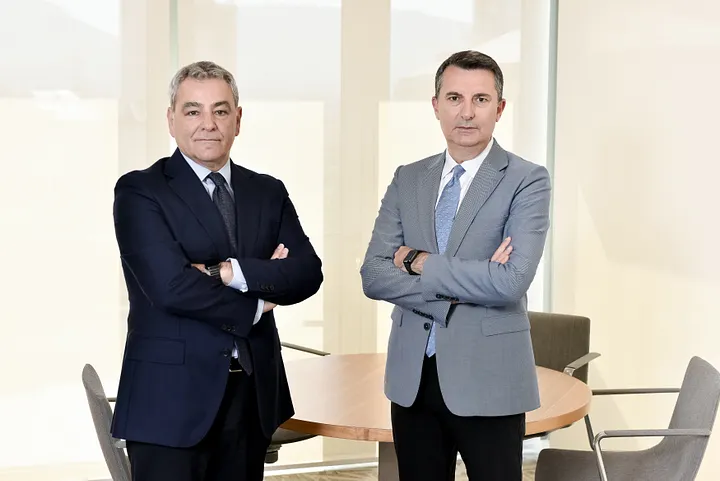
For Aleksander Sarapuli and Martin Mata, Co-CEOs of the Albanian-American Development Foundation (AADF), the answer was clear: finding a model bold enough to break with tradition, yet rigorous enough to deliver real results.
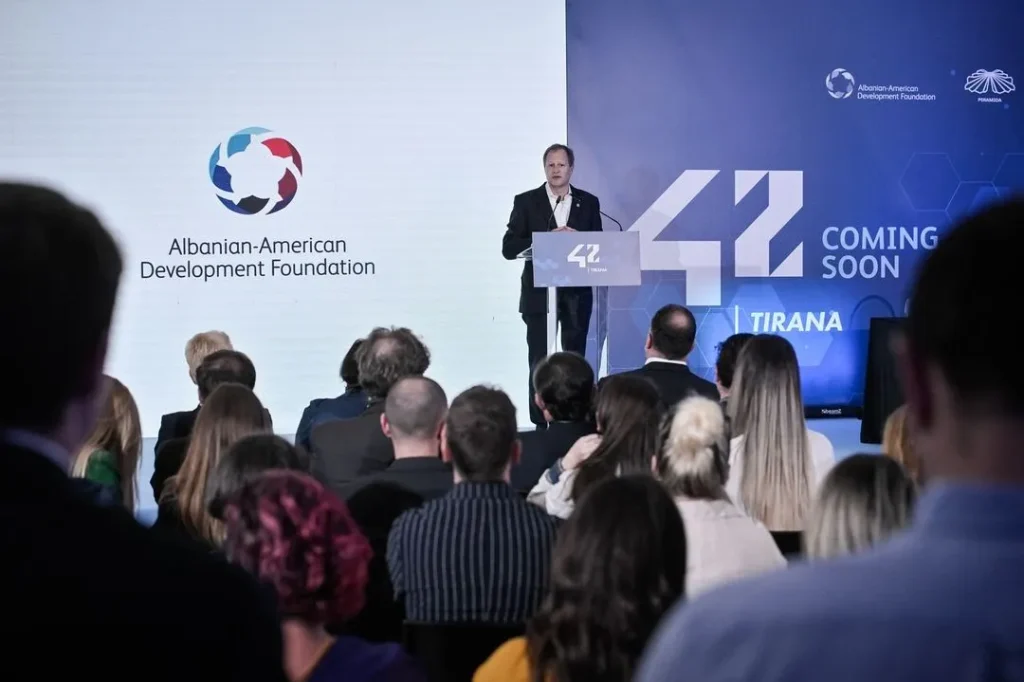
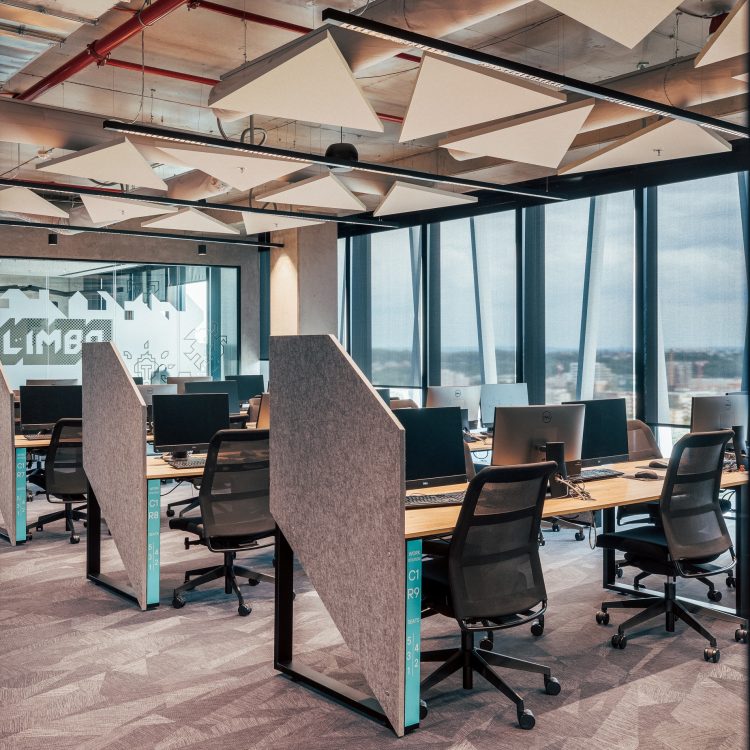
In this interview, they take us behind the scenes of 42 Tirana, from discovering the 42 model to deciding to bring it to the heart of Tirana’s Pyramid. They share why accessibility and autonomy matter, how 42 fits into Albania’s long-term digital ambitions, and what the future of education could look like when talent, not background, comes first.
1. Could you please briefly introduce yourselves and share your educational and professional background?
We serve as Co-CEOs of the Albanian American Development Foundation (AADF), bringing decades of experience in education, development policy, digital transformation, and large-scale program management. Our backgrounds combine public leadership, private-sector strategy, and non-profit work focused on creating long-term, systemic impact in Albania. Our professional journey has allowed us to be part of efforts that strengthen education and leadership, foster entrepreneurship, and support cultural-heritage and eco-tourism projects, while also encouraging Albania’s participation in the global digital economy.
2. Can you tell us more about the organization you lead and your work there?
AADF is a mission-driven foundation established to advance sustainable development in Albania. We invest in education, entrepreneurship, leadership development, and technology, sectors we see as essential to the country’s future.
Our role is to shape long-term strategies and guide programs that accelerate economic and social progress. We work with government, private-sector partners, and global institutions to bring innovative models to Albania. 42 Tirana is one of our most ambitious projects in the education and technology space, reflecting our commitment to expanding opportunities for young people and building a strong digital workforce.
3. How did your team first come across 42, and what stood out?
We discovered 42 while researching global models that challenge and rethink traditional education systems. The concept immediately stood out: no tuition, no teachers, no classroom hierarchy, no prerequisites, yet a proven track record of producing highly capable, industry-ready talent.
Our impression was further strengthened during a study visit to 42 Paris, where we were able to experience the learning environment firsthand. Seeing the energy of the students, the autonomy of the learning process, and the rigor of the projects validated everything we had read about the model.
What impressed us most was the balance between rigor and accessibility. It is rare to find an educational approach that is both elite in quality and truly inclusive by design. We recognized that such a model could be transformative for Albania, where many talented young people still face barriers to accessing world-class tech education.
4. What motivated AADF to sponsor a 42 campus in Tirana?
We chose to bring 42 to Albania as a continuation of a broader vision. Over the years, AADF has created an educational pathway that introduces children to technology from the age of seven and develops their skills through progressively more advanced programs. What was missing was a model that could elevate this foundation even further — one that selects talent based on motivation and ability, provides world-class training, and prepares learners for real industry challenges. With Albania’s digital and technology sectors expanding rapidly, 42 offers the depth and autonomy needed to strengthen the ecosystem and develop highly capable professionals. It aligns closely with our long-term commitment to equip young people with the skills to compete globally and contribute to innovation locally. In this context, 42 Tirana serves as a strategic component within a comprehensive talent-development pipeline that supports Albania’s future competitiveness.
5. In your view, what makes 42 different from other coding schools?
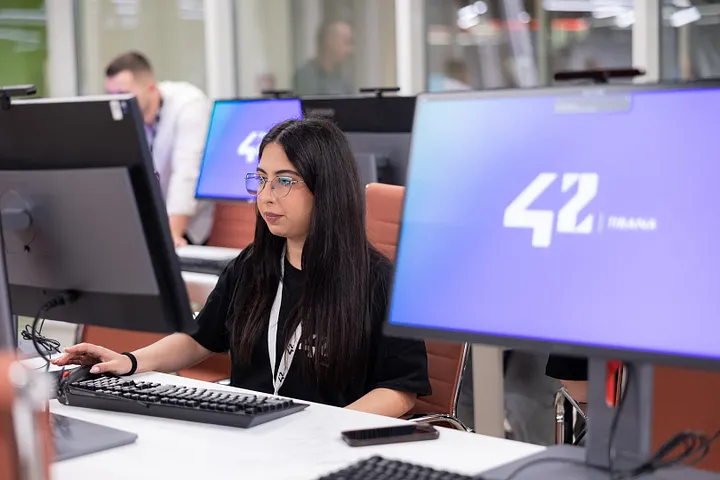
42 stands apart because it reimagines how talent is discovered and developed. Its open and tuition-free admissions remove traditional barriers, inviting anyone with motivation to participate. The learning environment is entirely peer-driven, where progress depends on collaboration, initiative, and problem-solving rather than lectures or formal instruction. Projects are designed to mirror real technical challenges, giving students practical experience from day one. Learners move at a pace that reflects their mastery, not a predefined schedule, and the global reach of the 42 network allows them to connect with diverse perspectives and practices worldwide. The result is a learning ecosystem that cultivates individuals who are resourceful, adaptable, and prepared to thrive in fast-changing technology fields.
6. What are your hopes for the future of 42 Tirana?
We envision 42 Tirana growing into a central point of reference for technology talent in Albania and the wider region,an environment where students gain access not only to high-level training but also to international networks and opportunities. Our goal is for the campus to contribute meaningfully to the local innovation ecosystem by supporting emerging startups and fueling the country’s digital growth. Above all, we hope it demonstrates that excellence and accessibility can coexist, offering world-class education to anyone with the drive to pursue it. In this way, 42 Tirana can become more than an educational institution; it can become a platform that helps shape the next generation of engineers, leaders, and innovators.
7. And what about the future of education more broadly?
Education is entering a new era,one that demands adaptability, practical skill development, collaboration, and the intelligent use of technology. As the pace of innovation accelerates, traditional systems often struggle to evolve quickly enough. Models like 42 demonstrate what the future requires: environments where learners take ownership of their growth, build resilience through real-world challenges, and develop the capacity to think and solve problems independently. As Jean-Paul Sartre wrote, “Freedom is what you do with what’s been done to you,” a reminder that autonomy must be paired with responsibility and action. We believe that more educational systems will gravitate toward approaches that cultivate this kind of empowered, self-directed learning, preparing students not just for today’s jobs, but for the ones yet to be imagined.